Automation

Requirement Docking and Solution Design

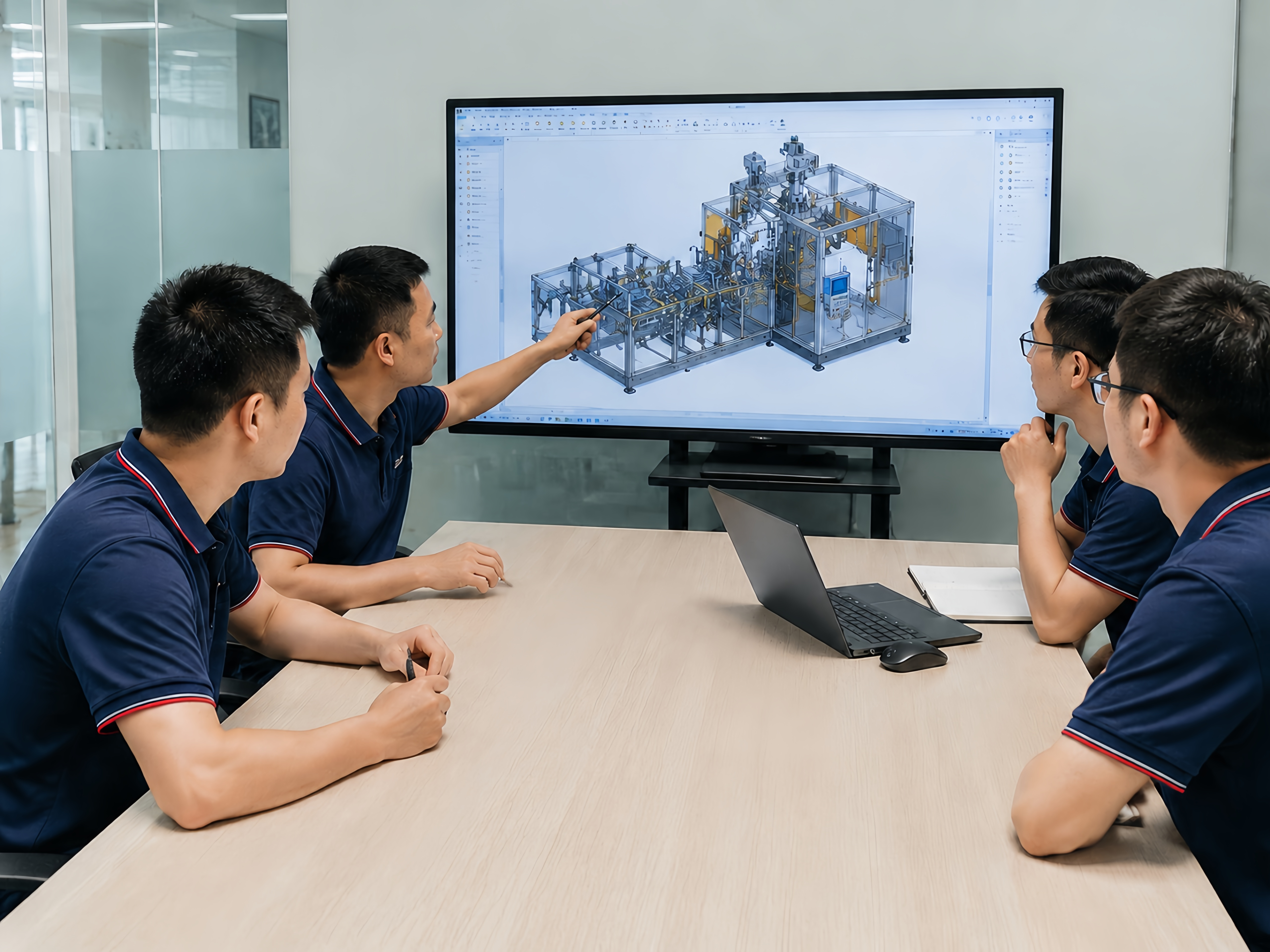
Upon receiving the customer's customized equipment requirements, professional engineers are assigned to comprehensively collect core needs such as machining processes, production capacity, automation levels, and operational requirements. We complete the overall solution design covering layout, mechanical systems, electrical systems, HMI, and safety protection, delivering a practical, cost-effective, and highly adaptable customized solution.
Contract Signing and 3D Equipment Confirmation

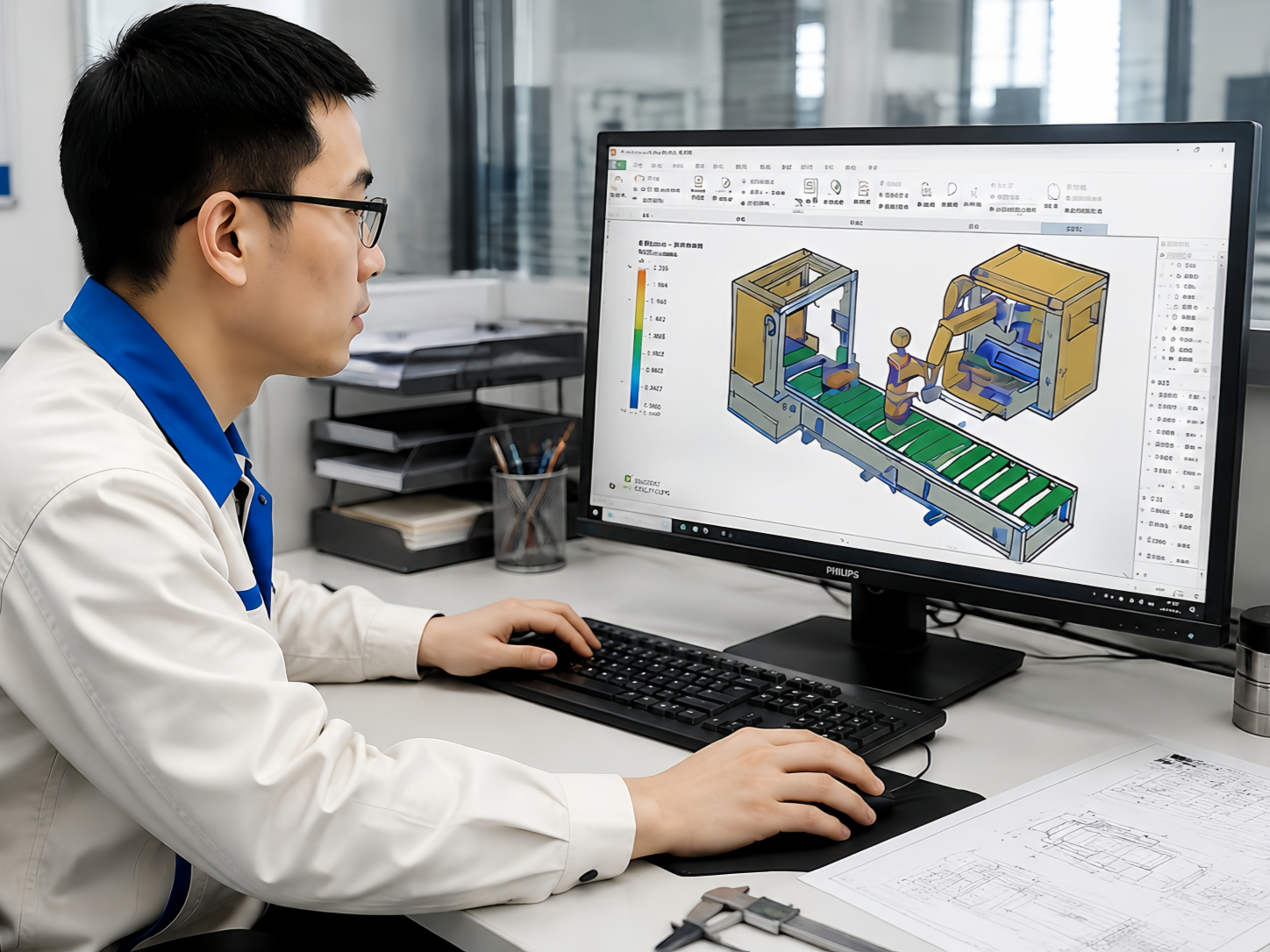
Iterate and optimize the solution based on customer feedback until both parties agree on technical parameters, functions, lead time, and pricing, finalizing the solution and signing the contract. Based on the finalized solution, our team outputs the 3D structural model of the equipment. An internal multi-department technical review is first organized across mechanical, electrical, software, and process departments. After confirmation, a 3D design review is conducted with the customer to ensure the equipment is compliant, stable, and efficient.

Component Procurement and Machining

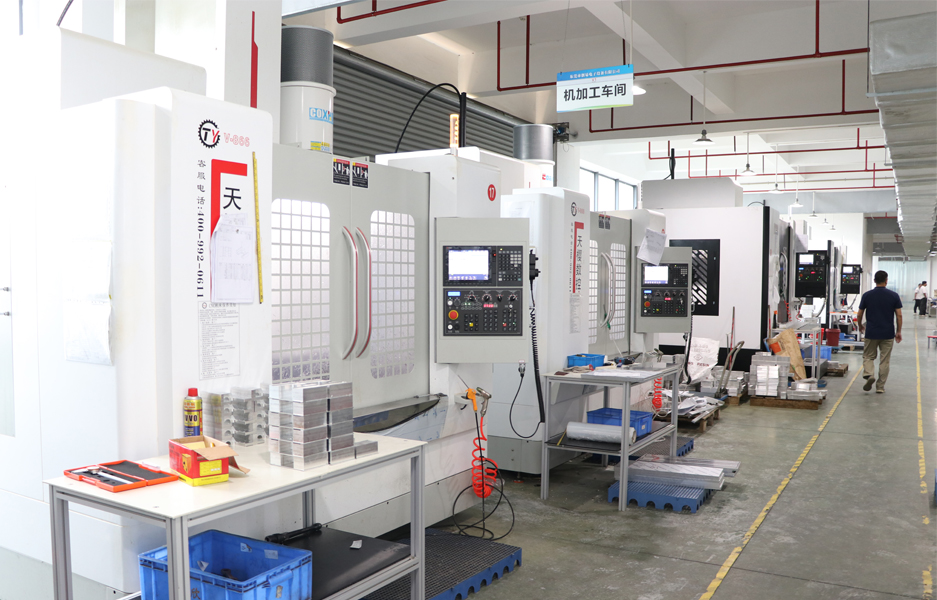
Engineers output 2D drawings based on the 3D model and organize the component list, distinguishing between standard parts and non-standard machined parts. Standard parts are selected from industry-renowned brands, including electrical components, motors, cylinders, sensors, and servo systems. Non-standard machined parts are outsourced for machining by the procurement team according to the BOM, with timely progress tracking. Non-standard structural parts and custom jigs and fixtures are machined using precision equipment for turning, milling, grinding, and cutting, followed by quality inspection and screening.

Complete Machine Assembly

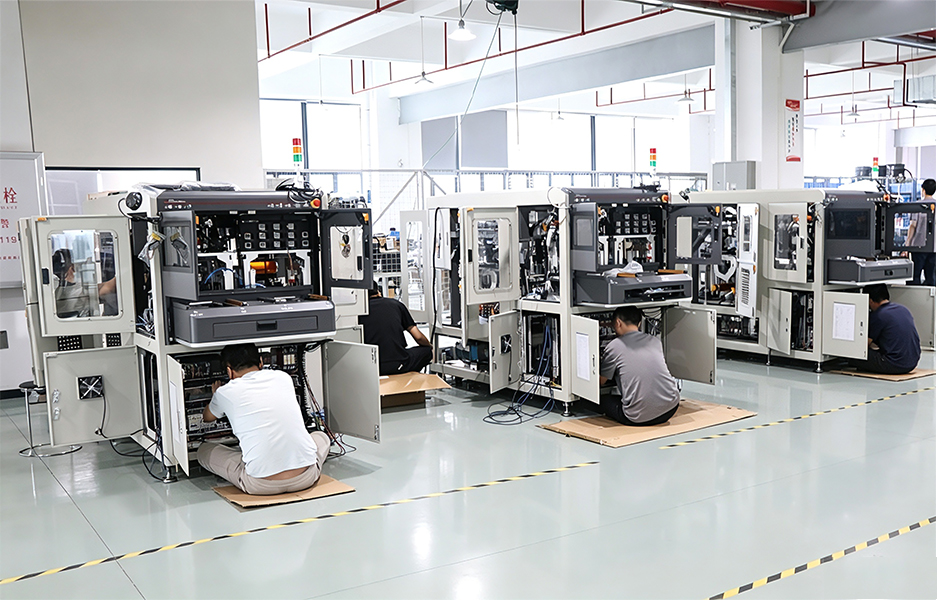
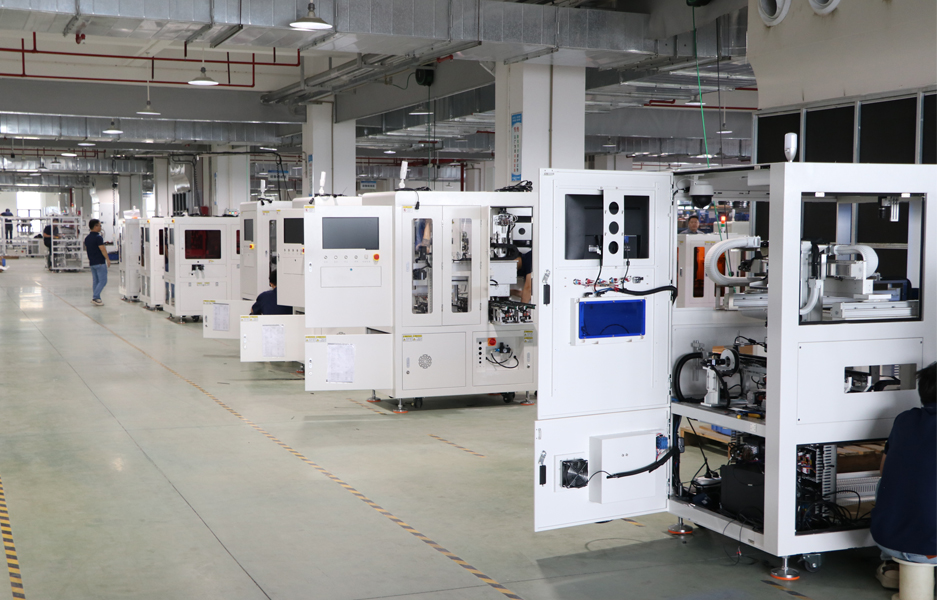
Professional assembly personnel perform complete machine assembly according to standard processes, covering frame construction, mechanical structure assembly, jig and fixture installation, electrical wiring, pneumatic and hydraulic pipeline routing, and component fixation. The assembly process strictly follows standardized procedures to ensure neat wiring, smooth pipelines, and solid structures. Process self-inspections are implemented to eliminate assembly errors, looseness, and wiring mistakes.

Equipment Programming and In-house Trial Production

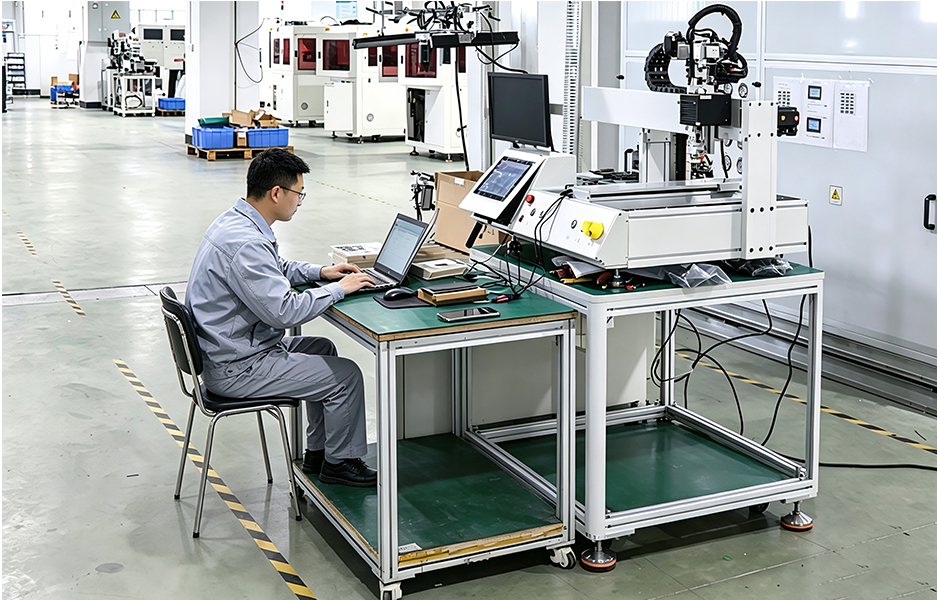
Electrical engineers write various programs including PLC control, touchscreen HMI, servo drives, and inspection judgments, completing program input and debugging. After complete machine assembly, no-load and simulated load debugging are conducted in-house. We test the cycle time, motion continuity, positioning accuracy, safety protection, and fault alarm functions, repeatedly optimizing program parameters and mechanical structures.

Equipment Acceptance and After-sales Service

After in-house trial production, continuous trial production is conducted to monitor core indicators such as production capacity, yield rate, operational stability, failure rate, and cycle time, ensuring full compliance with the customer's acceptance standards and production needs. After delivery and acceptance, long-term after-sales support is provided to ensure the long-term stable operation of the equipment and reduce the customer's maintenance costs.

Mass Production Implementation and Equipment Iteration Upgrade

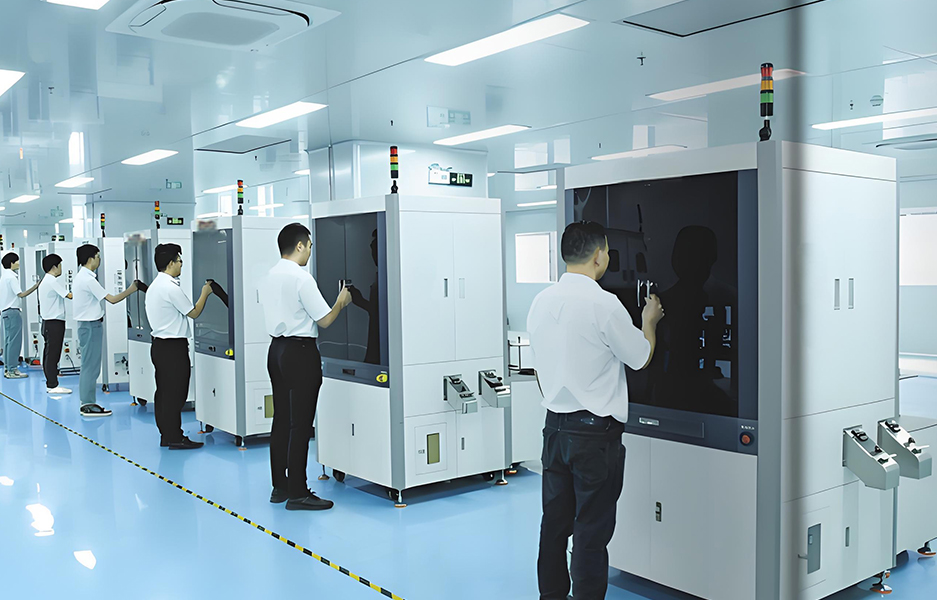
The automated equipment is put into mass production in the customer's workshop, and the operation plan is flexibly allocated according to production capacity and product changeover needs. In response to product updates and capacity expansion, we provide retrofitting services such as jig modification, station expansion, addition of vision inspection, and automation function upgrades to adapt to long-term production iteration needs.